

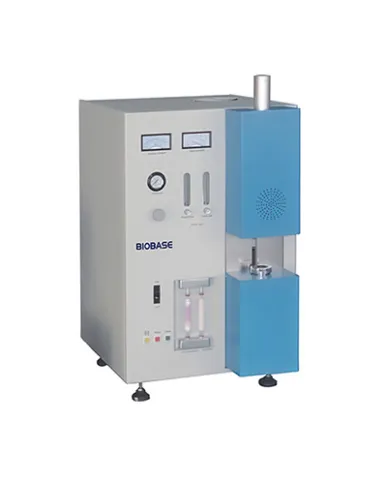
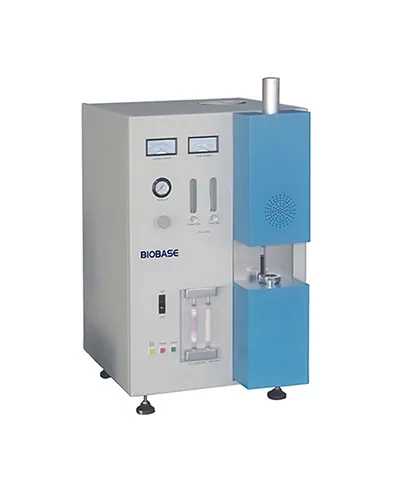
Carbon and Sulfur Analyzer – Biobase BK-CSA5
Category :
Clinical Laboratory Analyzer & Equipment
Clinical Laboratory Analyzer & Equipment
Price :
Rp.595.320.000
More From Clinical Laboratory Analyzer & Equipment
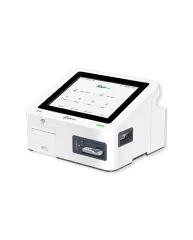
Blood Gas Analyzer – Eaglenos EN102
A blood gas analyzer is a critical medical device used to measure pH, oxygen, carbon dioxide, and electrolytes (like potassium, sodium, calcium) from blood samples, typically for critically ill patients. Often used in ICUs, emergency rooms, and point-of-care settings, these devices provide fast, accurate results to monitor respiration and acid-base balance.
Rp.186.000.000
See Details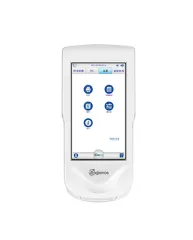
Electrolyte Analyzer – Eaglenos P1
An electrolyte analyzer is a specialized medical laboratory instrument used to measure the concentration of critical electrolytes—primarily sodium, potassium, chloride, and sometimes ionized calcium or Lithium —in whole blood, plasma, serum, or urine. These analyzers utilize Ion Selective Electrode (ISE) technology, commonly in clinical settings (hospitals/labs), to provide rapid, accurate, and automated results.
Rp.81.000.000
See Details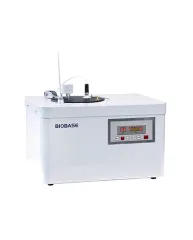
Oxigen Bomb Calorimeter – Biobase BK-1A
A bomb calorimeter is a laboratory instrument used to measure the amount of heat (calories) released during the complete combustion of a substance at a constant volume. This instrument is essential for determining the calorific value (energy) of fossil fuels, biomass, and even the energy content of food.
Rp.118.000.000
See Details